I’ve spent the last decade staring at spreadsheets for commercial property deals, and I’ve seen enough “recession-proof” pitches to last a lifetime. If you hear a broker tell you that self-storage is a "set-it-and-forget-it" goldmine, walk away. They are selling you a brochure, not an operational reality. I started my career in facilities management, so I know that if the lift breaks or a lock jams at 2:00 AM, you’re the one getting the call.
That said, there is a genuine, structural shift happening in the UK market. Investors are moving away from single-tenant warehouse assets in favour of self-storage. It’s not just about yield; it’s about risk distribution. Let’s look at the "many small renters vs one tenant" model through a practical, operational lens.
The Macro Shift: Shrinking Space and Rising Demand
Over the last ten years, UK urbanization has hit a wall. New-build flats in London and major commuter towns are smaller than they were twenty years ago. The math is simple: when people can’t fit their life into a one-bedroom apartment in zone 3, they need somewhere to put their stuff.
This isn't just a trend; it's a structural change in household geography. Reports from sources like FinanceWire and Markets Insider have highlighted the resilience of the sector, largely because it taps into both personal necessity and the exploding small business/ecommerce market. When I review a deal memo, I’m looking for more than just occupancy rates. I’m looking for the integration of online reservations and contactless access. If a facility still requires a tenant to walk into a front office and fill out paper forms, they are already behind the curve.

Diversified Revenue: The "Many Tenants" Advantage
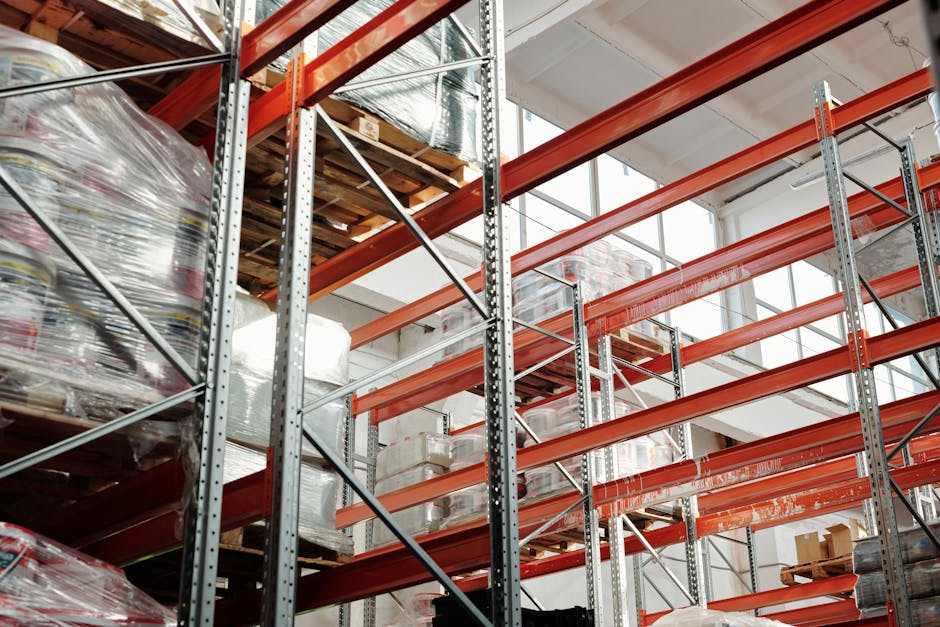
The primary attraction of a multi-unit self-storage facility is diversified revenue storage. If you own a large industrial shed and your single tenant goes bust, your vacancy rate is 100%. You’re sitting on a massive, non-performing asset, paying business rates and security costs out of your own pocket while you hunt for a new anchor tenant.
In a self-storage facility, you have 200, 300, or 500 units. If five tenants leave in a month, you aren't in crisis; markets.businessinsider.com you’re just in a standard churn cycle. The risk is spread across hundreds of independent cash flows.
Comparison: Single-Tenant vs. Multi-Unit Storage
Feature Single-Tenant Industrial Multi-Unit Self-Storage Concentration Risk High (100% loss if tenant leaves) Low (Highly diversified) Revenue Model Fixed (Rent reviews every 3-5 years) Dynamic (Weekly/Monthly rate adjustments) Operational Intensity Low High (Requires constant FM presence) Tenant Sensitivity Slow to react to market changes Retail-driven (Quick to adjust pricing)What Does the Local Competition Look Like Within a 10-Minute Drive?
Before you sign a contract or put down a deposit on a site, stop looking at the yield slides and look at the map. I don't care how "prime" the location is; if there are three established operators with better access control within a 10-minute drive, your occupancy targets are a fantasy.
The self-storage game is hyper-local. Customers will not drive across a city for a cheaper locker. They want the one that is convenient. When I review site selection notes, I check the drive-time analysis rigorously. Are there traffic bottlenecks? Is the facility on the right side of the road for the morning commute? Is it near a residential density cluster? If the answer is no, it doesn’t matter how low the purchase price is.
The Role of Ecommerce and Business Usage
It’s not just householders. Small ecommerce businesses are a massive driver of modern self-storage demand. They use units as micro-fulfillment centres. They need reliable contactless access so they can drop off inventory or pick up orders without waiting for a site manager.
Operators like Optima Self Store have understood this shift, pivoting their facility designs to cater to these business users. These tenants are the best kind: they stay longer, they upgrade to larger units as they grow, and they are less sensitive to incremental rate increases compared to domestic users who are just storing old sofas.
The "Hidden Costs" List
Investors often look at the gross revenue and forget the operational reality of running a multi-user site. I’ve seen enough budget packs to know what usually gets left off the spreadsheet. If you are building a budget, make sure these are included:
- Utility Spikes: Even in unheated units, lighting and communal area climate control costs money, especially if your facility is older. Lock-Cut Fees and Damages: When a tenant stops paying and abandons a unit, the cost of legal disposal and lock-cutting is on you, not them. Security and CCTV Monitoring: You need high-spec, remote monitoring. If your system goes down, your liability goes up instantly. Lift and Gate Maintenance: In a multi-story facility, your lifts are your lifeblood. If they fail, your occupancy on the upper floors is effectively zero. Online Platform Fees: Those online reservations systems don't run for free; the software integration and API maintenance are constant line items. Insurance Premiums: You aren't just insuring the building; you are managing the risk of hundreds of different items stored within your walls.
Operational Flexibility: The Key to Long-Term Value
The beauty of the operational flexibility property model is that you can adapt your unit mix. If you find that demand is leaning towards 50sq ft units for ecommerce stock but you’re stuck with 200sq ft warehouse bays, you can—with some capital expenditure—reconfigure your internal partitions. You have the ability to slice and dice your square footage based on real-time market signals.
Contrast this with a single-tenant office or warehouse. If the market demand for a 20,000 sq ft warehouse drops, you are stuck with it. You can't just throw up partition walls without massive planning applications and structural work. In self-storage, you are constantly tuning your product to match what the local market is actually willing to pay for today.
Final Thoughts: Don't Believe the Hype
Self-storage is a solid sector, but it is a retail business, not an office investment. It requires a mindset that values cleanliness, security, and responsive customer service. If you are comfortable managing a high volume of small interactions, the returns are stable and the risk is well-distributed.
But keep your eyes open. Ask the hard questions about local competition. Look at the maintenance history of the site. And for heaven’s sake, look at the actual occupancy data, not just the marketing projections. If an operator tells you that their returns are "recession-proof," ask them how they handled the last two periods of high inflation. A good operator will tell you about their pricing strategy; a bad one will just give you more corporate filler.
If you’re looking at a deal, start with the 10-minute drive test. If the competition is already saturating the area with high-tech, accessible units, your "diversified revenue" might end up being very thin indeed.