For many UK residents prescribed medical cannabis, one pressing concern remains: Am I safe and legal to drive the morning after using it? With evolving roadside drug testing methods and strict THC blood limits, understanding your legal position is crucial to avoid penalties.
In this article, we’ll explain the legal framework around cannabis and driving, the key differences between roadside swab tests and police station blood tests, and how to factor in wait times before driving – especially during downtime, such as charging your EV with EV Powered. We’ll also cover the roles of NHS England and the General Medical Council (GMC) guidance for prescribers who support your treatment and advise on driving.
Understanding the Offence: Driving with Drugs in Blood (THC)
Before addressing driving the next morning, it’s essential to understand the specific offence you might face. Under section 5a of the Road Traffic Act 1988, it is an offence to drive or be in charge of a vehicle with specified controlled drugs above certain limits in the blood. One such drug is THC (tetrahydrocannabinol), the psychoactive component in cannabis.
Let me tell you about a situation I encountered made a mistake that cost them thousands.. The key point here: THC presence itself is an offence if over a zero-tolerance blood limit. This means the law focuses on the concentration of THC in your bloodstream, not just whether you're impaired. The current legal limit for THC is effectively zero (2 micrograms per litre of blood), making any amount detectable potentially actionable.
THC Blood Limit vs. Impairment
Many drivers wrongly assume that if they "feel fine," or are not impaired, they cannot be prosecuted. However, the law criminalises the presence of THC above the limit irrespective of actual impairment. This differs from alcohol where impairment is more directly linked to the offence.
That said, in court you can argue a statutory medical defence if you have been prescribed cannabis-based products for medicinal use (CBPM) Click here for info by an authorised clinician registered with the GMC and NHS England pathways. This defence requires strict evidence that your use was legal and therapeutic, not recreational, and that you caused no impairment.
Wait Time Before Driving: What Does the Science Say?
Residual effects of THC vary widely based on:
- Dosage and strength of medical cannabis Metabolic rate and body fat of the driver Route of administration: smoking, vaporising, or oral ingestion Frequency and duration of use
Studies show THC can remain in the blood for several hours or even days after use, especially in regular users. Oral products prescribed under the NHS pathway, for example, often have slower onset and longer persistence.
Most clinicians recommend waiting at least 12-24 hours before driving after taking medical cannabis at night. However, this is not precise for everyone. The GMC and NHS England emphasise that prescribers should give personalised advice tailored to individual risk.
Scenario: Keys in Pocket at an EV Charger
Imagine you used medical cannabis the previous evening. The next morning, your EV needs charging with EV Powered, and you sit in the driver’s seat with the keys ready while the vehicle charges. Often, people believe that since the engine is off during charging downtime, they cannot be prosecuted. This is an internet myth.
Under section 5a, being “in charge” of a vehicle means having the ability and intention to drive. Having keys in your pocket and sitting in the driver’s seat is enough to trigger the offence. Law enforcement can administer roadside swab drug tests during this window, making charging downtime a legal risk you should never overlook.
Roadside Swab Test vs Police Station Blood Test
Two main drug testing tools fuel prosecutions for THC driving offences:
Roadside Swab Test – Police use this portable oral fluid test at the roadside if they suspect drug use. It detects recent consumption within around 1-2 hours. Police Station Blood Test – More definitive but often administered after the suspect arrives at a police station. This gives a precise THC blood concentration level for court evidence.Note these key differences:
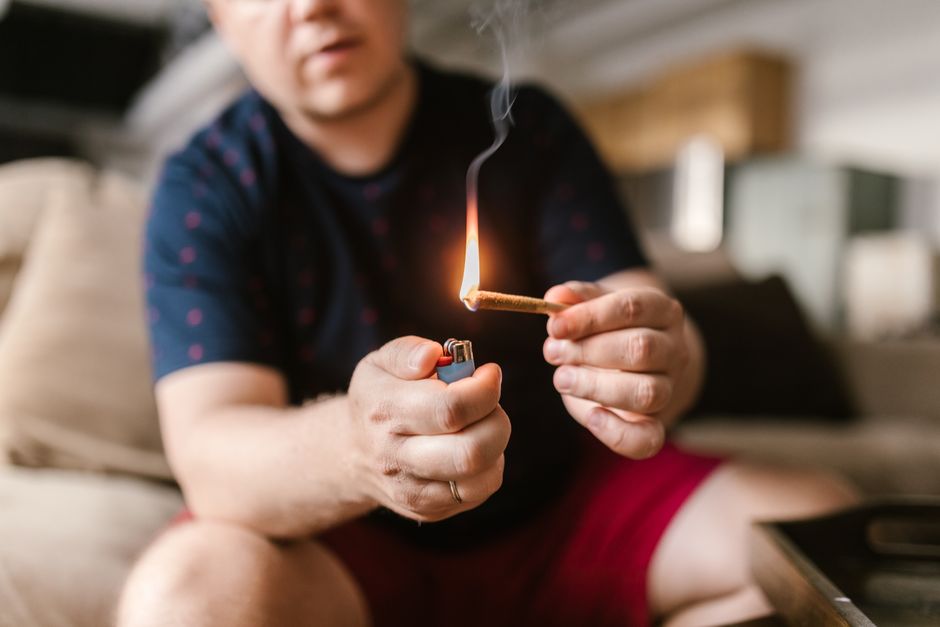
If you are stopped near an EV charging point, roadside swab results may prompt police to bring you to the station for blood testing. This underscores the importance of your wait time awareness and prescriber advice.
Statutory Medical Defence and Burden of Evidence
Having a prescription for medical cannabis isn’t an automatic exemption from prosecution. The statutory medical defence requires:

- Proof you have been prescribed CBPM by an authorised clinician registered with the GMC Evidence that your use was therapeutic, not for intoxication Demonstration that you were not impaired when driving
This defence places a burden of evidence on you or your legal representative. It’s vital to keep a detailed record of your prescriptions, medical notes from NHS England pathways, and any advice given regarding driving.
Prescriber Advice: Your Key to Safer Driving
When starting medical cannabis treatment, always ask your prescriber for explicit guidance on:
- Recommended wait time before driving Signs of impairment to watch for Potential risks when using cannabis and driving near EV charging downtime How to document the prescription and your compliance
Following this advice is crucial. If your prescriber advises you not to drive within 24 hours of usage, disregarding this increases your risk of a positive roadside screening and prosecution.
Final Thoughts: Balancing Medical Need and Legal Risk
Driving the morning after taking medical cannabis at night is a complex issue intertwined with THC blood limits, roadside testing technology, and legal provisions for medical users. Key takeaways include:
- There is no guaranteed “safe” wait time applicable to everyone. Residual THC can remain above legal thresholds even when you do not feel impaired. EV charging downtime is not a “legal free zone.” Having keys in your pocket during charging can count as being in charge of the vehicle. Prescriber advice under NHS England and GMC guidelines is your best guide. Always discuss driving safety explicitly with your doctor. Police roadside swab and station blood tests are definitive and can trigger prosecution. Awareness and caution are paramount.
If you rely on medical cannabis, stay informed, follow professional guidance, and plan your travel carefully https://dlf-ne.org/what-is-the-biggest-mistake-prescribed-patients-make-at-charge-points/ to avoid legal pitfalls.
For more detailed legal advice or help with a driving offence involving cannabis, consult a solicitor experienced in Road Traffic Act drug cases.